Famagusta, known locally as Gazimağusa, is one of the most historically important cities in Northern Cyprus. Located on the eastern coast, it combines medieval city walls, Ottoman heritage, ancient ruins, sandy beaches and a lively modern atmosphere.
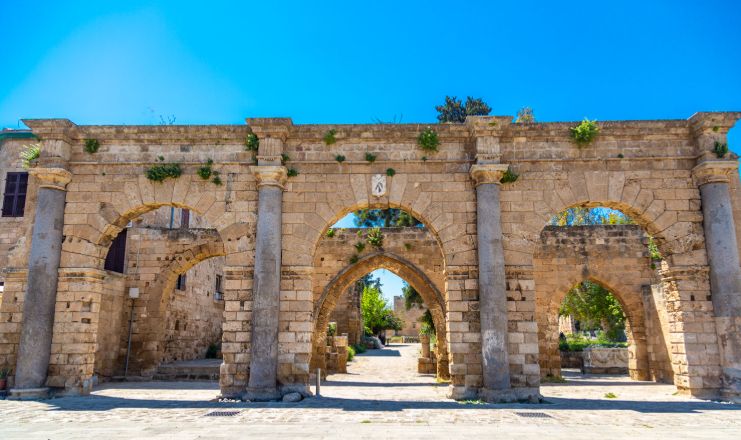
For travellers interested in history, architecture and coastal scenery, Famagusta is one of the most rewarding places to visit in North Cyprus.
The Walled City of Famagusta
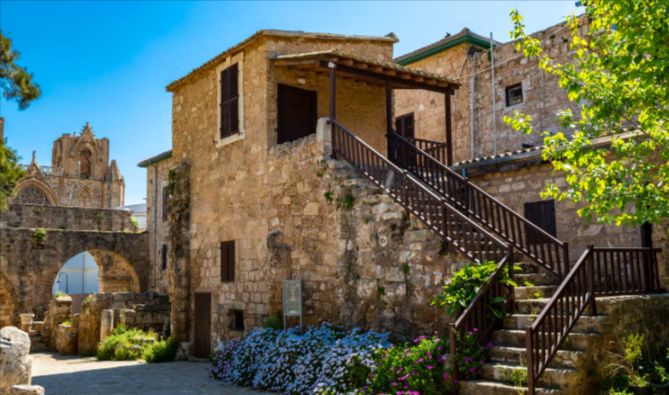
The old walled city is the heart of Famagusta’s historic character. Its stone walls, narrow streets, old churches, mosques, cafés and traditional buildings reflect centuries of Mediterranean history.
During the medieval period, Famagusta became one of the most important ports in the region. The city was influenced by the Lusignans, Venetians and Ottomans, and many traces of these periods can still be seen today.
Important places inside or near the old city include:
- Lala Mustafa Pasha Mosque
- Othello Castle
- Venetian Walls
- Namık Kemal Square
- Historic churches and stone ruins
- Traditional cafés and small local shops
Walking through the walled city is one of the best ways to experience Famagusta. The atmosphere changes throughout the day, with quiet historic streets in the morning and a livelier café culture in the evening.
Lala Mustafa Pasha Mosque
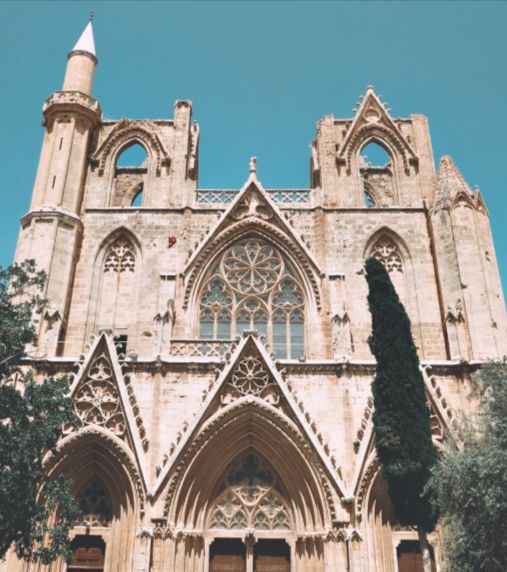
One of Famagusta’s most famous landmarks is Lala Mustafa Pasha Mosque, originally built as a Gothic cathedral during the medieval period. After the Ottoman conquest, it was converted into a mosque and remains one of the most striking buildings in the city.
Its architecture reflects the complex cultural history of Cyprus, combining Gothic stonework with Ottoman-era religious use. Visitors should dress respectfully and check access before entering, especially during prayer times.
Othello Castle
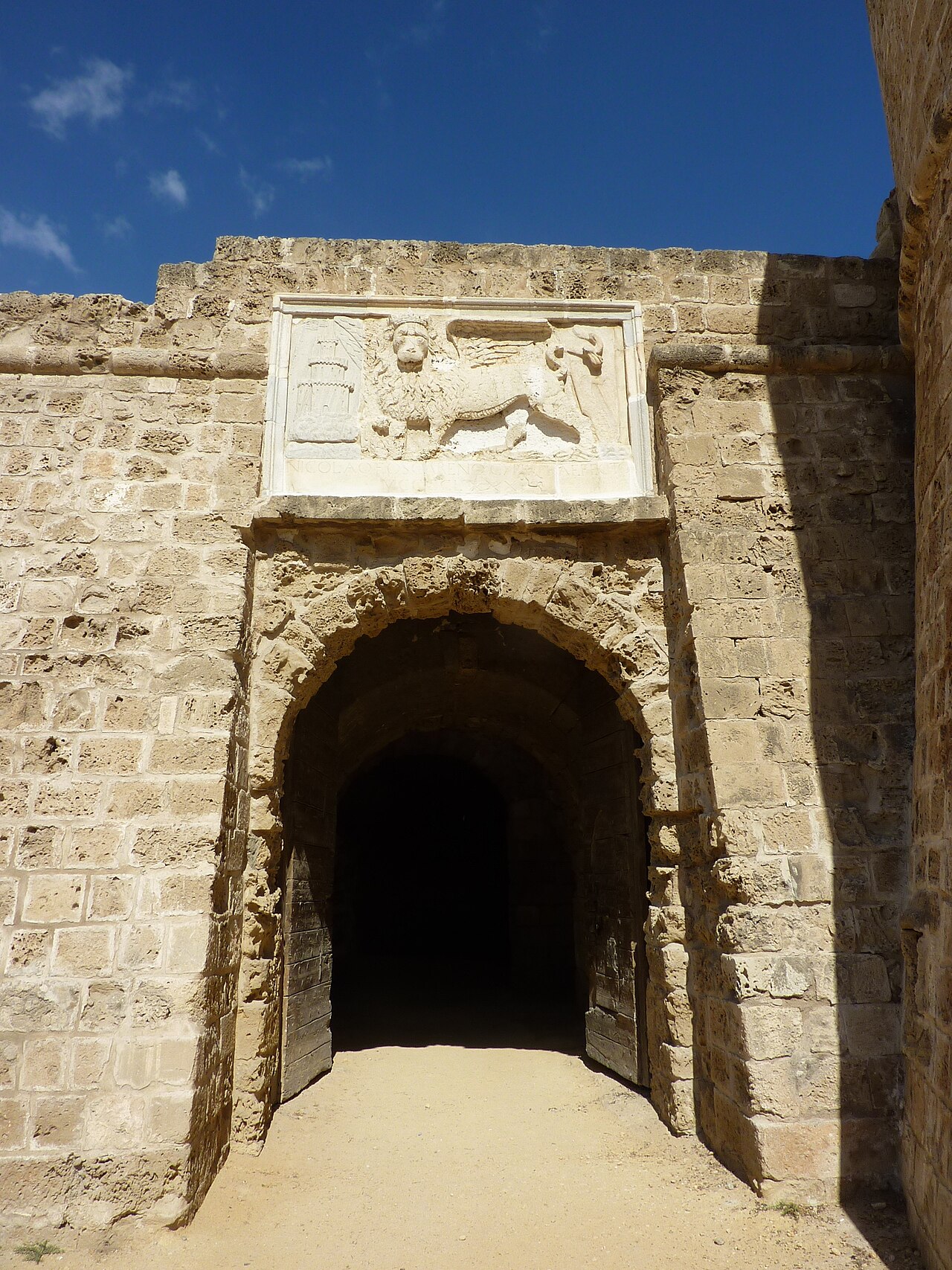
Othello Castle is another important landmark in Famagusta. The fortress is closely associated with the Venetian period and is often linked to Shakespeare’s “Othello” in travel writing and local storytelling.
The castle offers views of the old harbour area and gives visitors a sense of Famagusta’s military and maritime past.
Salamis Ancient City
Just north of Famagusta lies Salamis Ancient City, one of the most important archaeological sites in Cyprus. The ruins include columns, baths, theatre remains, gymnasium structures and early Christian basilica remains.
Salamis is especially interesting for visitors who want to understand the ancient history of Cyprus before the medieval and Ottoman periods. It is also a popular photography location because of its open ruins, sea views and dramatic stone columns.
Beaches Near Famagusta
Famagusta is also known for its long sandy coastline. Beaches around the region are popular in summer for swimming, sunbathing and relaxed seaside days.
Commonly visited coastal areas include:
- Glapsides Beach
- Palm Beach area
- Silver Beach
- Salamis coastline
- Long Beach towards Iskele
Facilities vary by season and location, so visitors should check local conditions before travelling.
Modern Famagusta
Today, Famagusta is both a historic city and an active university town. Its modern areas include cafés, restaurants, shopping streets, residential neighbourhoods and student life.
This mix of old and new gives Famagusta a different personality from Kyrenia or Nicosia. It is historic, coastal, youthful and atmospheric at the same time.
Why Visit Famagusta?
Famagusta is ideal for visitors who want:
- Medieval architecture
- Ancient ruins
- Sandy beaches
- Local cafés and restaurants
- Historic photography spots
- A deeper understanding of Cyprus history
Whether you visit for a day or stay longer in the eastern part of Northern Cyprus, Famagusta is one of the island’s most memorable destinations.
🏛️ More to See in Famagusta
Explore freely: Having your own car is the best way to discover North Cyprus. Contact Niz Rent A Car for affordable car hire in Kyrenia.
Visit this place on our private full-day tour — 7-seat Mercedes Vito with driver, hotel pickup from Kyrenia.