Nicosia, known locally as Lefkoşa, is the capital city of Cyprus and one of the most historically fascinating cities in the Eastern Mediterranean. It is widely known as the last divided capital in Europe, but it is also a living city full of markets, cafés, museums, architecture and everyday local life.
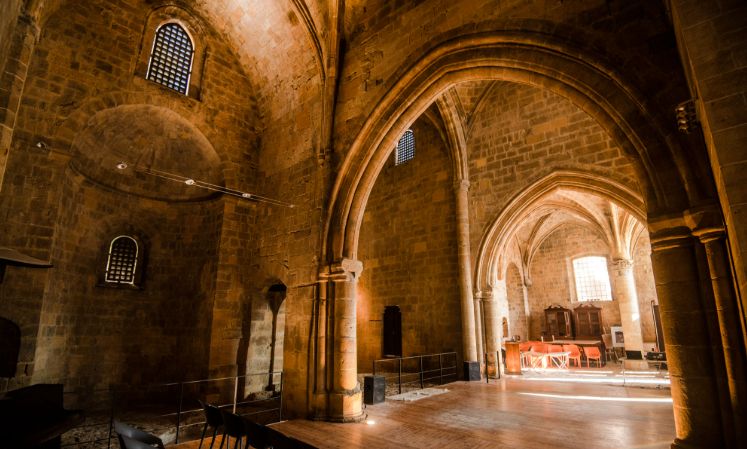
North Nicosia offers visitors a different experience from the coastal towns of Northern Cyprus. It is more urban, more historical and more connected to the island’s cultural and political identity.
The Walled City
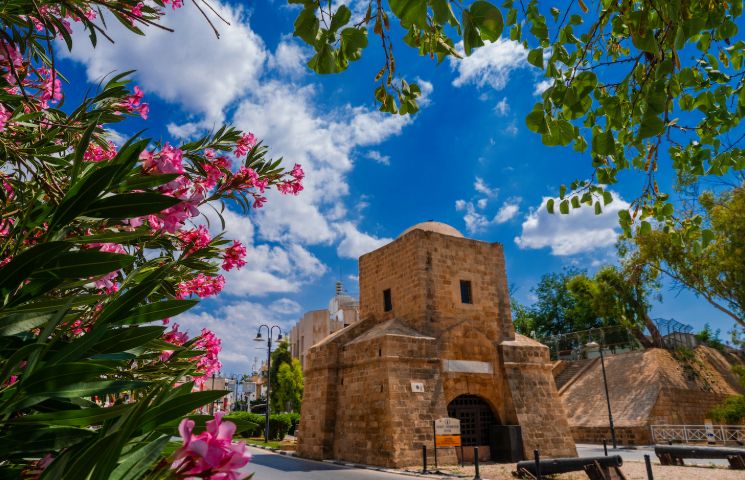
The old city of Nicosia is surrounded by Venetian walls built in the 16th century. Inside the walls, visitors can walk through narrow streets, traditional markets, Ottoman buildings, mosques, churches, cafés and restored cultural spaces.
The walled city is one of the best places in Northern Cyprus for visitors interested in history, architecture and local atmosphere.
Büyük Han
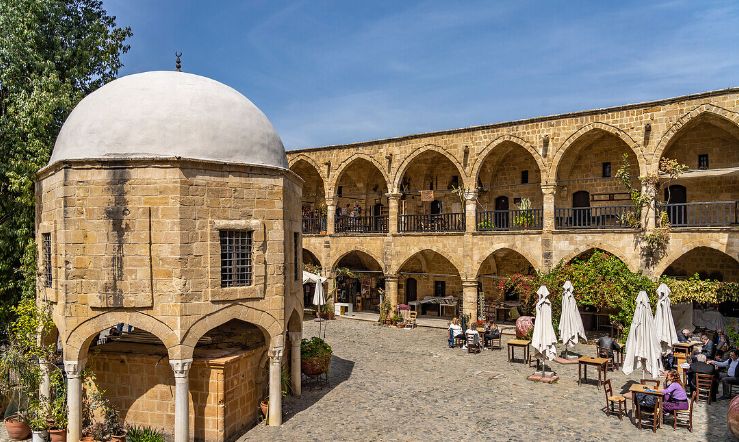
Büyük Han is one of the most important landmarks in North Nicosia. Built during the Ottoman period, it was originally a caravanserai where merchants and travellers could rest.
Today, Büyük Han is a cultural centre with craft shops, cafés, galleries and small restaurants. It is one of the most atmospheric places in the city and a must-see for visitors.
Selimiye Mosque
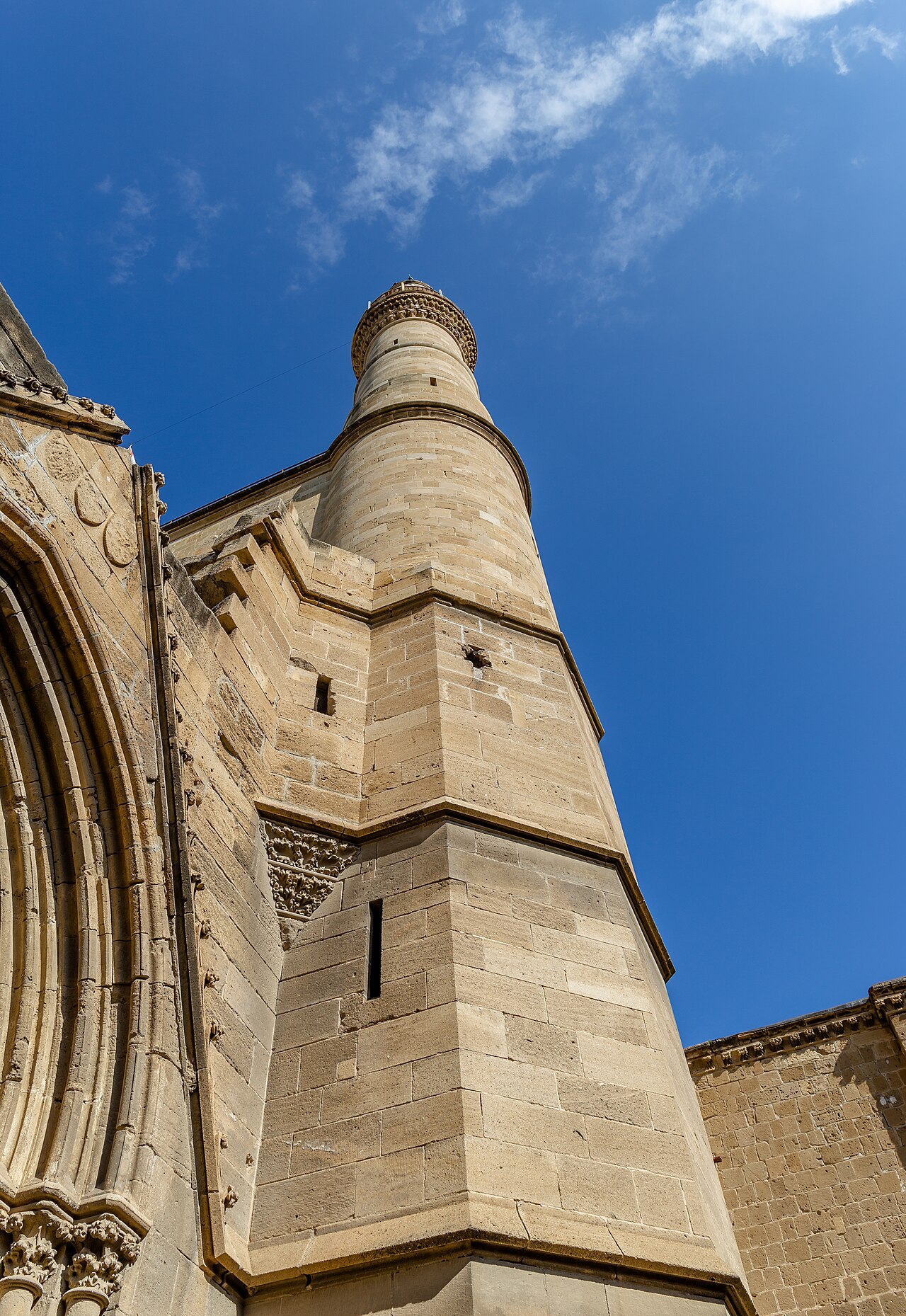
Selimiye Mosque is one of the most striking buildings in Nicosia. Originally built as a Gothic cathedral, it was later converted into a mosque during the Ottoman period.
The building reflects the layered history of Cyprus and remains one of the most significant religious and architectural landmarks in the old city. Visitors should dress respectfully and be aware of prayer times.
Markets and Shopping
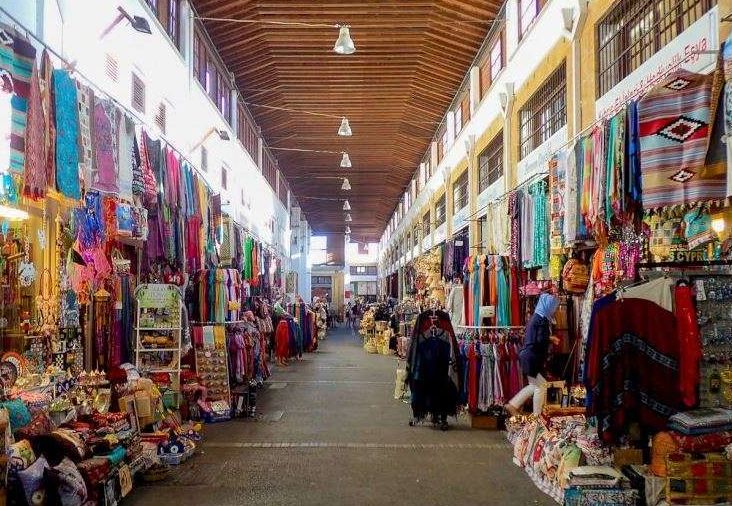
North Nicosia is a good place for traditional shopping and local markets. The Arasta area and old bazaar streets offer souvenirs, textiles, jewellery, local products and small shops.
The city also has modern commercial areas outside the old walls, including cafés, restaurants, boutiques and shopping streets.
Museums and Cultural Sites
Nicosia has several important cultural attractions, including:
- Büyük Han
- Selimiye Mosque
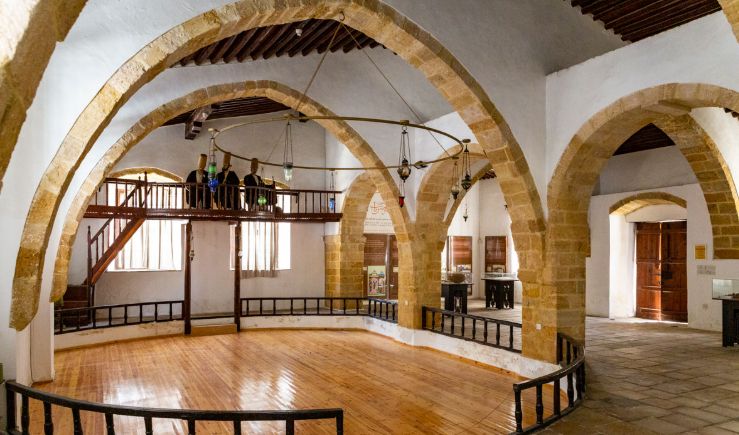
- Mevlevi Tekke Museum
- Venetian Walls
- Historic Ottoman bathhouses
- Local craft and cultural centres
These sites help visitors understand the city’s role in the history of Cyprus.
The Green Line
Nicosia is divided by the UN-controlled buffer zone known as the Green Line. Visitors may see crossing points, signs and controlled areas in and around the old city. Anyone planning to cross between the northern and southern parts of Nicosia should carry valid identification and check the latest entry requirements before travelling.
Food and City Life
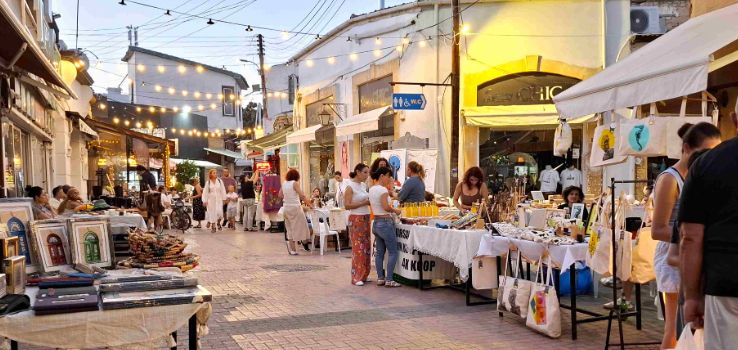
Nicosia has a lively food and café culture. Visitors can enjoy traditional kebabs, meze, Turkish coffee, pastries, modern cafés and local restaurants.
The city is also active in the evening, especially around café streets, student areas and cultural venues.
Why Visit Nicosia?
Nicosia is ideal for travellers who want to understand Cyprus beyond beaches and resorts. It offers:
- History and architecture
- Traditional bazaars
- Ottoman and Gothic landmarks
- Local food and cafés
- Museums and cultural spaces
- A unique divided-city experience
For visitors interested in culture, politics, history and everyday life, North Nicosia is one of the most important places to visit in Northern Cyprus.
🕌 More to See in Nicosia
Büyük Han
The Great Inn — the largest Ottoman caravanserai on the island, beautifully restored into an arts and crafts hub.
Read MoreVenetian City Walls
Magnificent 16th-century Venetian walls encircling the old city — one of the best-preserved in the world.
Read MoreSelimiye Mosque
Originally the Cathedral of Saint Sophia — a stunning fusion of Gothic and Ottoman architecture in the old town.
Read MoreExplore freely: Having your own car is the best way to discover North Cyprus. Contact Niz Rent A Car for affordable car hire in Kyrenia.
Visit this place on our private full-day tour — 7-seat Mercedes Vito with driver, hotel pickup from Kyrenia.